

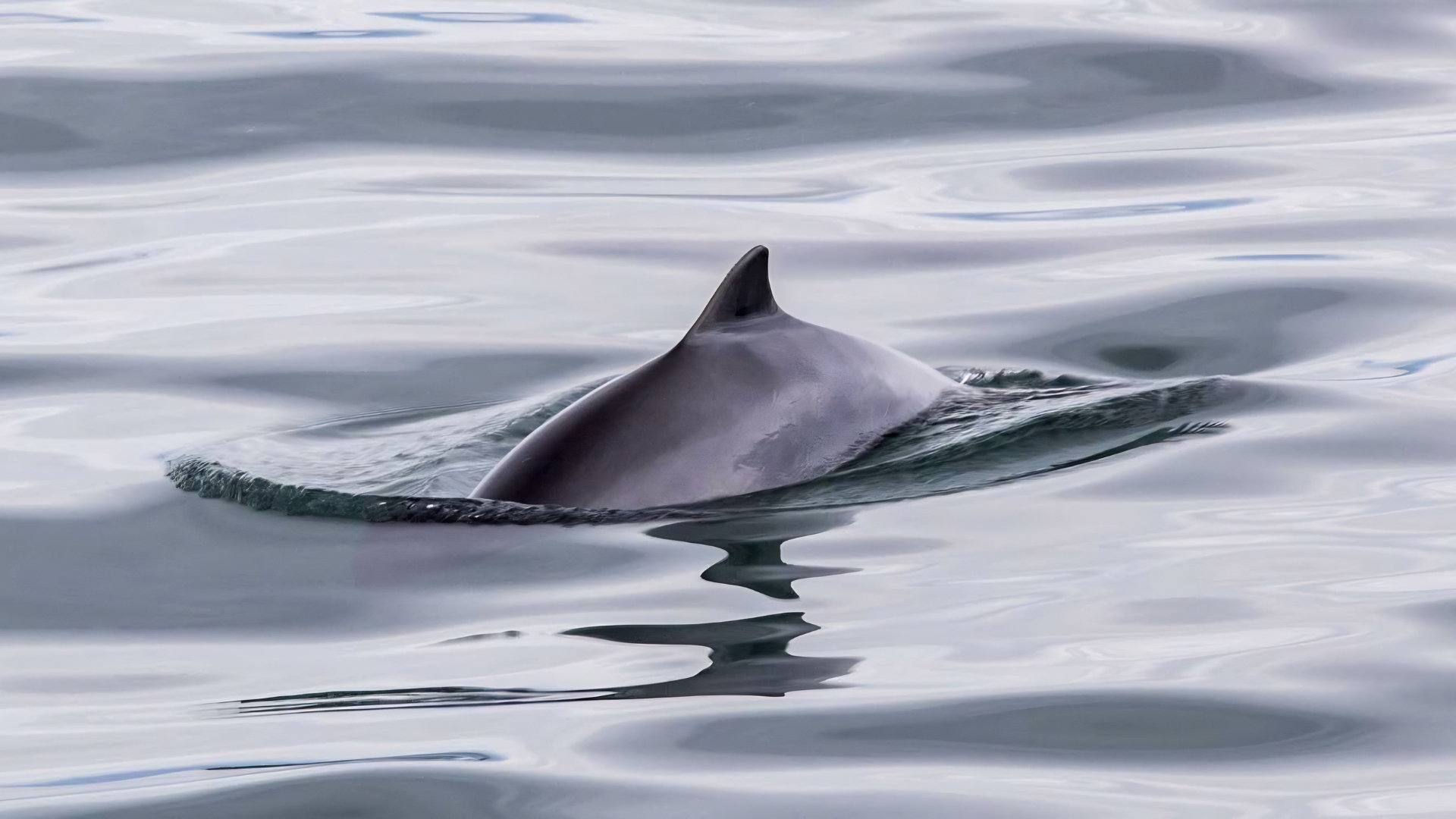
A new study from EurOcean member CESAM – the Centre for Environmental and Marine Studies and the University of Aveiro has found worrying concentrations of highly toxic persistent organic pollutants (POPs) in harbour porpoises along the Portuguese coast.
The research, based on stranded animals collected between 2005 and 2013 and published in Marine Pollution Bulletin, shows that these long-lasting contaminants can accumulate in the species and potentially affect immune and reproductive systems.
Harbour porpoises (Phocoena phocoena), classified as Critically Endangered in Portugal’s Red Book of Mammals, are particularly vulnerable due to their position at the top of the food chain. The study also found higher pollutant levels in adult males, likely linked to the transfer of contaminants from mothers to offspring during gestation and lactation.
Researchers warn that early-life exposure may increase risks for calves and juveniles, while adding to existing pressures such as bycatch and declining population size. They underline the need for continued monitoring of pollutants to better understand long-term impacts and support conservation measures for the species.
Read more: here.
Picture Credit: CESAM