

A team of researchers coordinated by Ifremer has uncovered a previously unknown mechanism that helps microorganisms survive extreme environmental conditions, offering new insights into cellular resilience and potential applications in biotechnology.
Published in Nature Communications, the study focused on Archaea-microorganisms that thrive in some of Earth's most extreme environments, including deep-sea hydrothermal vents. The research identified a protein that controls ribosome dormancy, a process in which cells temporarily "pause" protein production to conserve energy and protect vital cellular machinery during periods of environmental stress.
To investigate this survival strategy, scientists from Ifremer, the École Polytechnique, the Centre for Integrative Biology (CBI2), and the Institut Pasteur studied Thermococcus barophilus, a deep-sea archaeon capable of living under temperatures approaching 100°C and immense pressure. Their findings reveal that this ribosome hibernation mechanism is widespread among many archaeal species, extending beyond those living in extreme environments.
The researchers also identified a similar mechanism in archaea found in the human digestive system, highlighting unexpected biological connections between deep-sea life and the human microbiome.
Beyond advancing fundamental knowledge of how life adapts to challenging environments, the discovery could have important implications for biotechnology. Understanding how cells naturally regulate and preserve their activity may help improve the production of proteins used in medicine and industry.
The findings also contribute to a better understanding of the resilience of deep-sea microbial communities as they face increasing environmental pressures linked to climate change. The ability of microorganisms to enter a temporary dormant state may prove to be a crucial adaptation for surviving changing ocean conditions.
The research was carried out as part of the HIBernAR scientific programme coordinated by Ifremer.
Read the press release: here.
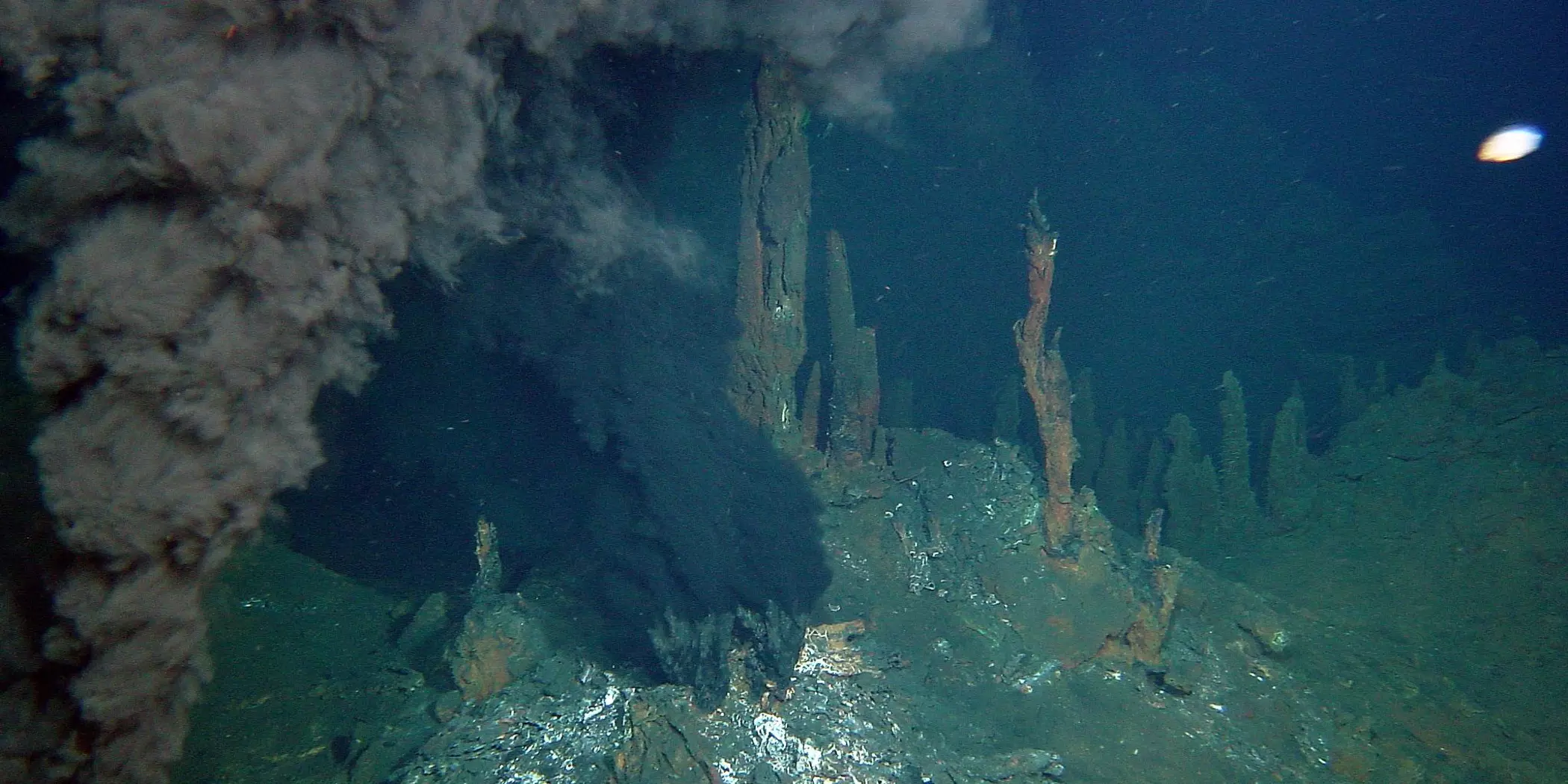
Picture Credit: Ifremer - Hydrothermal vents at the Rainbow site - CC-BY Ifremer