

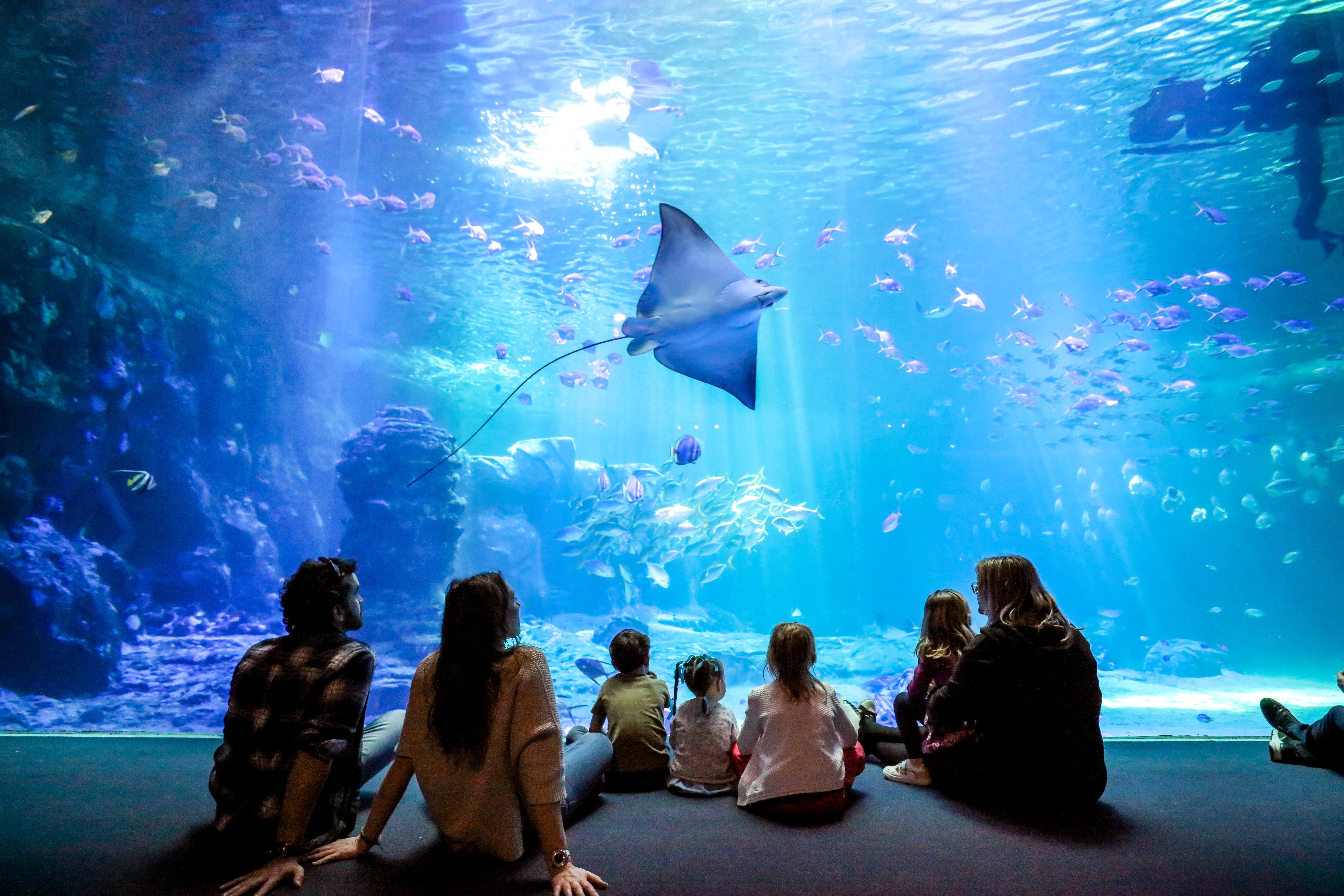
For more than three decades, Nausicaá – the French National Sea Centre has demonstrated that protecting the ocean starts by helping people understand it. Located in Boulogne-sur-Mer on France's Opal Coast, Nausicaá is far more than one of Europe's largest aquariums. It is a recognised centre for ocean literacy, scientific mediation, conservation and blue innovation, bringing together researchers, educators, policymakers, businesses and citizens around a shared mission: placing the ocean at the heart of society.
As a member of the EurOcean network, Nausicaá contributes to strengthening cooperation across European marine research and innovation communities. Its work illustrates how public engagement, conservation, education and research can reinforce one another to create lasting impact for both people and the ocean.
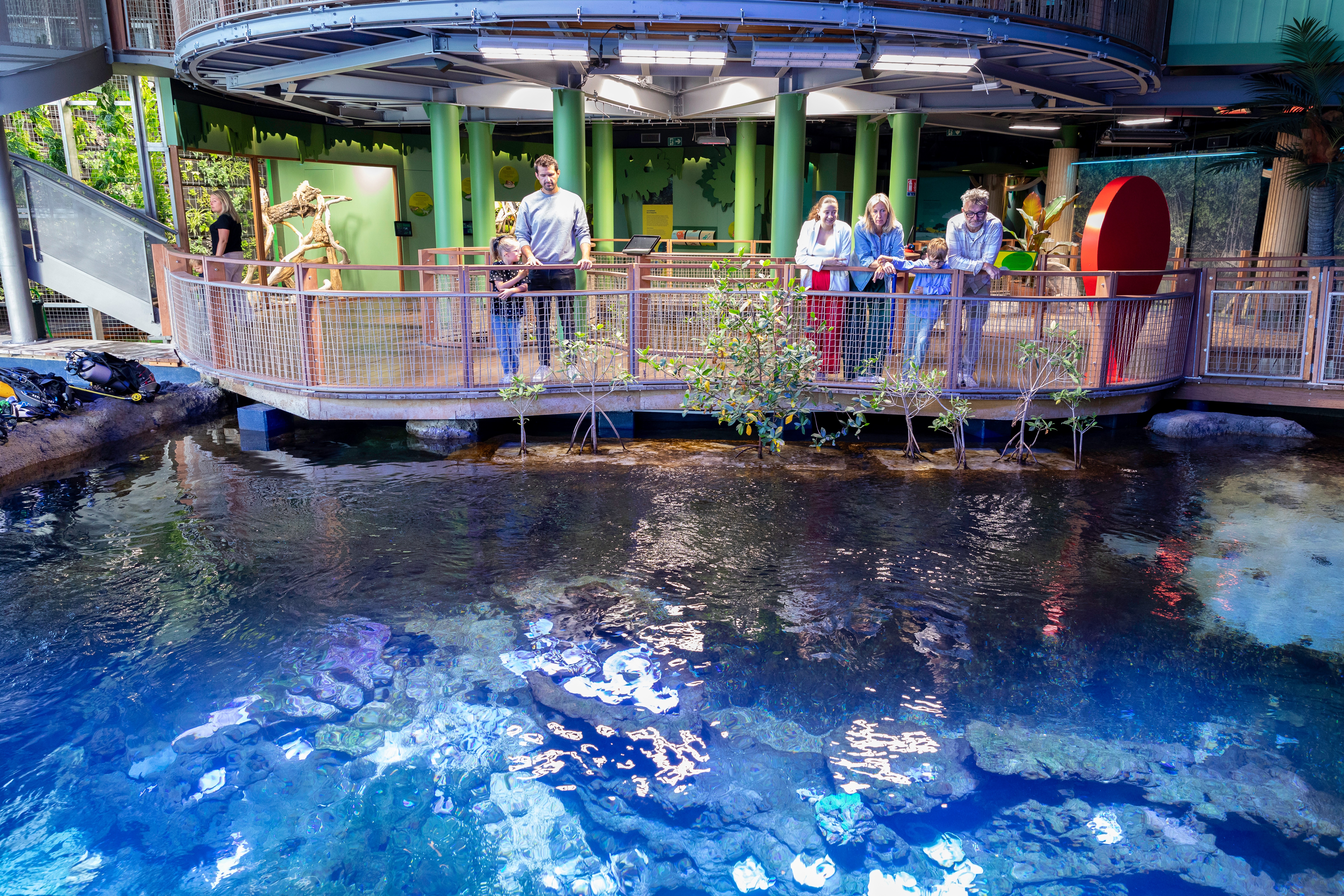
Photo Credit: Lagon (c)S-Pannier
An Aquarium with a Mission
Nausicaá describes itself as "an aquarium with a mission", a mission that extends far beyond showcasing marine life. Since opening its doors in 1991, the centre has welcomed more than 20 million visitors, including around five million schoolchildren, with the ambition of helping every visitor better understand the essential role the ocean plays in sustaining life on Earth.
Rather than viewing an aquarium solely as a place for recreation, Nausicaá has positioned itself as a platform where scientific knowledge is translated into engaging experiences that inspire curiosity, responsibility and action. Through immersive exhibitions, educational programmes and public events, visitors discover not only the extraordinary diversity of marine life but also the environmental challenges facing the ocean and the solutions that can help address them.
This philosophy reflects a simple conviction that guides the centre's work: people are far more likely to protect what they understand and appreciate.
Bridging Science and Society
One of Nausicaá's greatest strengths lies in its role as an intermediary between scientific research and the general public. Marine science often produces complex knowledge that can be difficult to communicate beyond specialist audiences. Nausicaá helps bridge that gap by transforming research into accessible stories, interactive exhibits and educational resources for audiences of all ages.
Its educational mission has long been recognised internationally. In partnership with the French Ministry of Education, the centre offers programmes ranging from primary schools to universities and was designated a UNESCO Centre of Excellence for Marine Environmental Education in recognition of its contribution to ocean education.
More recently, Nausicaá has expanded this commitment through initiatives such as the Blue Academy, a dedicated space designed for young people, educators, researchers and ocean ambassadors. Combining educational facilities, collaborative workspaces and digital learning tools, the Blue Academy supports the next generation of ocean advocates while strengthening links between education, research and society.
Conservation Beyond the Aquarium
Conservation is another pillar of Nausicaá's work. Alongside maintaining one of Europe's largest living marine collections, the centre actively participates in European conservation programmes for threatened marine species, contributes to breeding initiatives and supports field conservation projects carried out in collaboration with international partners.
Since 2018, the Nausicaá Endowment Fund has helped finance conservation actions directly in natural habitats, supporting projects that protect marine biodiversity where it is most at risk. At the same time, the expertise developed by Nausicaá's aquariology teams contributes to animal welfare, reproduction programmes and improved scientific knowledge of marine species.
In recent years, the centre has also become an increasingly vocal advocate for the protection of the high seas and deep ocean ecosystems. Through exhibitions such as Destination Abysses, public campaigns and participation in international policy discussions, Nausicaá raises awareness of some of the least explored yet most vulnerable parts of our planet.
Driving European Collaboration and Ocean Literacy
Nausicaá's impact reaches well beyond its own facilities through active participation in numerous European and international projects. These initiatives cover topics ranging from marine biodiversity and sustainable seafood to youth engagement, marine pollution, climate change and ocean literacy.
Rather than conducting research in isolation, Nausicaá acts as a connector between scientists, educators, policymakers, businesses and citizens. Its role often focuses on science communication, stakeholder engagement, educational resource development and citizen participation, helping ensure that research outcomes reach the people who can benefit from and build upon them.
Projects such as Youth4Ocean, TEAM for Ocean, Mr.Goodfish 3.0, TREASURE and several other European collaborations illustrate this commitment to combining scientific knowledge with public participation and behavioural change.
This collaborative approach closely aligns with EurOcean's mission of strengthening European marine cooperation by connecting knowledge, people and institutions across borders.
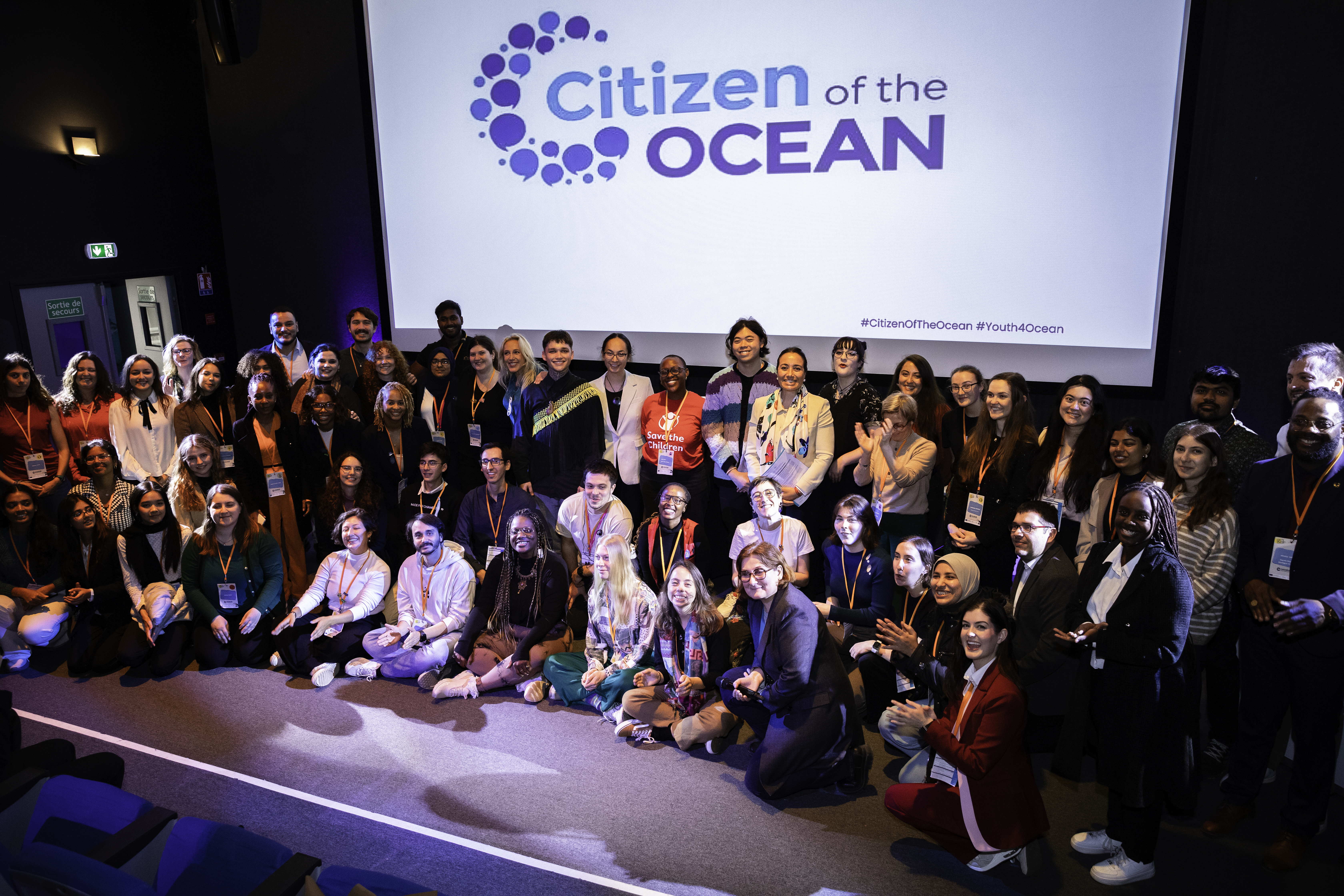
Photo Credit: Citizen of the Ocean-28 mars 25 (c)S-Pannier
Innovation for a Sustainable Blue Economy
Alongside education and conservation, Nausicaá is also investing in innovation. Through the Blue Living Lab, the centre supports entrepreneurs, researchers and start-ups developing solutions for a sustainable blue economy. The initiative provides an open innovation environment where ideas can be tested, refined and connected with potential partners.
By encouraging collaboration between science, business and society, the Blue Living Lab demonstrates that protecting the ocean also requires innovation in how we produce, consume and manage marine resources. This focus complements Nausicaá's wider efforts to promote sustainable seafood through the Mr.Goodfish initiative and other programmes encouraging responsible consumer choices.
Looking Ahead
As ocean challenges become increasingly complex, institutions capable of connecting science, education, conservation and innovation are more important than ever. Over its 35-year history, Nausicaá has continually expanded its role, from an aquarium to a recognised centre for scientific culture, ocean literacy and international cooperation.
For the EurOcean network, Nausicaá demonstrates how public engagement can become a powerful driver of marine conservation and evidence-informed decision-making. By bringing together researchers, educators, young people, policymakers and citizens around a shared vision for a healthy ocean, the centre helps strengthen the connections between knowledge and action that are essential for Europe's blue future.
More than a destination for visitors, Nausicaá has become a platform where science meets society, where curiosity becomes commitment, and where today's ocean knowledge helps inspire tomorrow's ocean stewardship.
Photo Credit Header: Grande baie et public ©P.Ledez_OTBCO 2024