

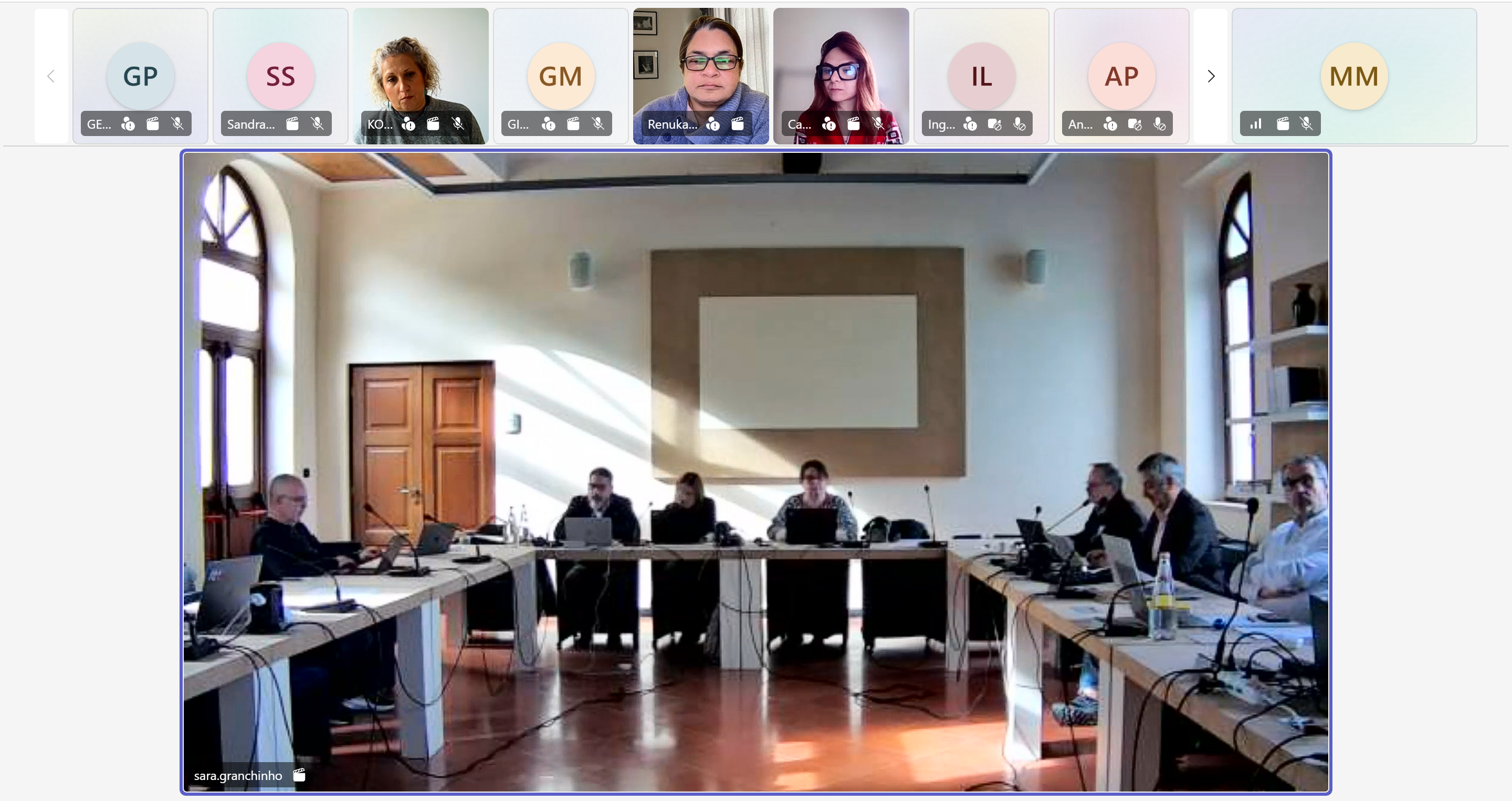
On 4 November 2026, EurOcean brought together Europe’s marine research community in Venice for WAVE 2026, hosted by the Italian National Research Council (CNR). Under the theme Stronger Together: Marine Research Infrastructures for the Ocean We Need, the hybrid event explored how Europe can make better use of its research infrastructure by strengthening connections between facilities, organisations, expertise and data.
Connecting Europe’s Marine Research Capacities
Discussions highlighted the strategic role of marine research infrastructures in addressing challenges such as climate change, ocean warming, acidification, biodiversity loss and pollution. Europe already has a wealth of research facilities, observing systems and expertise, but their potential depends on better coordination and access.
The EurOcean Eye initiative featured prominently in these discussions. Its ambitions include strengthening European governance, international cooperation, operational and industrial development, and strategic partnerships in ocean observation. Connecting existing initiatives and services, including EMODnet and Copernicus Marine Service, will be an important part of this effort.
Perspectives from Italy and France illustrated both the diversity of national capacities and the need for stronger coordination. Sustained funding, shared access, interoperable data and the retention of skilled technical and scientific personnel were among the challenges identified.
Making Infrastructure and Data More Accessible
Examples of European cooperation demonstrated how shared access can support research across borders. The Aquarius project, bringing together 45 partners from 18 countries and a network of 57 research infrastructures, provides opportunities for transnational access, technical training and data management.
The Eurofleets alliance also highlighted the value of a more connected European research fleet. With 50 member institutions across 10 countries, it aims to improve access to research vessels, strengthen cooperation and support training opportunities.
Discussions also addressed the importance of connecting marine data through initiatives such as the European Open Science Cloud, EMODnet, Copernicus Marine Service, Blue-Cloud and the European Digital Twin of the Ocean. Better data management and interoperability are essential to making research outputs more accessible and useful.
Turning Collaboration into Action
The event also explored opportunities for cooperation in innovation and testing environments, as well as the role of maritime regions and sea-basin partnerships in supporting the sustainable blue economy.
Closing the event, EurOcean Executive Director Sandra Sá emphasised that Europe does not lack expertise, talent or ambition. The challenge is to connect existing capacities and make better use of them. EurOcean’s role is to help build those bridges, increase visibility and encourage collaboration across the marine community.
As Europe advances its Ocean Pact and initiatives such as EurOcean Eye, WAVE 2026 provided an opportunity to strengthen these connections and discuss how they can lead to tangible results.
The conversation continues at WAVE 2027.
📄 View the full agenda: here.